การแนะนำ
This manual provides essential instructions for the safe and effective installation, operation, and maintenance of the Carrier HK61EA005 OEM Replacement Furnace Control Board. Please read this manual thoroughly before proceeding with any installation or service procedures. Retain this manual for future reference.
ข้อมูลด้านความปลอดภัย
คำเตือน: Installation and servicing of heating, ventilation, and air conditioning (HVAC) equipment can be hazardous due to system pressure, electrical components, and equipment location. Only trained and qualified service personnel should install, repair, or service HVAC equipment. Failure to follow these instructions could result in property damage, personal injury, or death.
- ควรตัดการเชื่อมต่อไฟฟ้าจากเตาเผาทุกครั้งก่อนติดตั้งหรือซ่อมบำรุงแผงควบคุม
- Verify all wiring connections are secure and correct according to the furnace manufacturer's specifications.
- สวมใส่อุปกรณ์ป้องกันส่วนบุคคล (PPE) ที่เหมาะสม รวมถึงแว่นตาและถุงมือเพื่อความปลอดภัย
- ตรวจสอบให้แน่ใจว่าระบบเตาเผามีการต่อสายดินอย่างถูกต้อง
สินค้าเกินview
The Carrier HK61EA005 is an OEM replacement furnace control board designed to manage the operational sequences of a furnace, including ignition, fan control, and safety monitoring. This board is compatible with various Carrier furnace models.
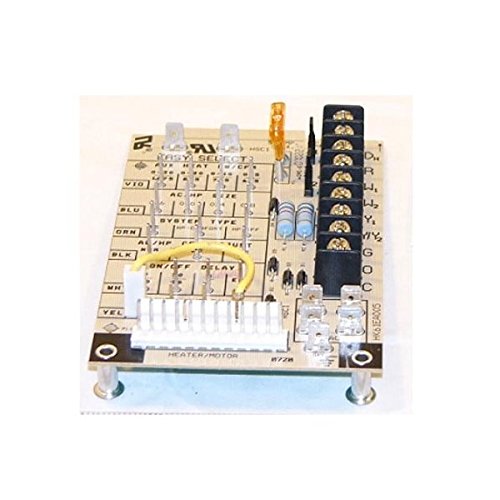
รูปที่ 1: Carrier HK61EA005 Furnace Control Board. This image displays the circuit board with various terminals, jumpers, and components. Key features include the "EASY SELECT" jumper settings for system type, ON/OFF DELAY settings, and terminal blocks for wiring connections such as D, R, W, W2, Y, Y2, G, O, and C. A yellow jumper wire is visible connecting two pins on the board.
การติดตั้งและการตั้งค่า
- การตัดการเชื่อมต่อไฟฟ้า: ปิดไฟฟ้าทั้งหมดที่ส่งไปยังเตาเผาที่แผงควบคุมหลัก ตรวจสอบว่าไฟฟ้าปิดอยู่โดยใช้เครื่องวัดระดับเสียงtagอี เมตร
- เข้าถึงบอร์ดเก่า: เปิดแผงควบคุมเตาเผาเพื่อค้นหาแผงควบคุมที่มีอยู่
- การเดินสายเอกสาร: Before disconnecting any wires, take clear photographs or make a detailed diagram of all wiring connections to the old control board. Note the position and color of each wire.
- การตัดสายไฟ: Carefully disconnect all wires and connectors from the old control board.
- ลบบอร์ดเก่า: ถอดแผงควบคุมเก่าออกจากตัวเครื่องเตาเผา สังเกตวิธีการยึดติด (สกรู คลิป ฯลฯ)
- ติดตั้งบอร์ดใหม่: Mount the new HK61EA005 control board in the same location and orientation as the old board. Ensure it is securely fastened.
- การเชื่อมต่อสายไฟ: Refer to your photographs or diagram and carefully reconnect all wires and connectors to the corresponding terminals on the new control board. Double-check each connection for accuracy and tightness.
- การตั้งค่าจัมเปอร์: Configure the "EASY SELECT" jumpers and ON/OFF DELAY jumpers on the new board to match the settings of the original board or the furnace manufacturer's specifications. These settings typically determine the system type (e.g., AC, HP) and fan delay times. Refer to the furnace wiring diagram for specific requirements.
- ปิดแผงการเข้าถึง: Once all connections are verified, close and secure the furnace access panel.
- คืนค่าพลัง: ต่อกระแสไฟฟ้ากลับไปยังเตาทำความร้อนที่แผงควบคุมไฟฟ้าหลัก
คำแนะนำการใช้งาน
After successful installation and power restoration, the furnace control board will initiate its normal operating sequence. The board manages the following functions:
- ลำดับการจุดระเบิด: Controls the gas valve and igniter for safe furnace startup.
- การควบคุมพัดลม: Manages the indoor blower motor operation based on heating or cooling demands and delay settings.
- การติดตามความปลอดภัย: Continuously monitors various safety sensors (e.g., flame sensor, limit switches) and will shut down the furnace if a fault is detected.
- อินเตอร์เฟซเทอร์โมสตัท: Communicates with the thermostat to receive heating and cooling calls.
For specific operational details, refer to your furnace's primary instruction manual.
การซ่อมบำรุง
The HK61EA005 control board itself requires no routine maintenance. However, regular maintenance of the overall furnace system is crucial for its longevity and proper function. This includes:
- การเปลี่ยนไส้กรองอากาศ: Replace or clean the furnace air filter regularly (typically every 1-3 months) to ensure proper airflow.
- การตรวจสอบโดยผู้เชี่ยวชาญประจำปี: Have a qualified HVAC technician inspect and service your furnace annually.
- Clean Flame Sensor: A dirty flame sensor can cause intermittent furnace operation. This should be cleaned by a qualified technician.
ควรตัดกระแสไฟออกจากเตาเผาทุกครั้งก่อนทำการบำรุงรักษา
การแก้ไขปัญหา
If the furnace is not operating correctly after installing the new control board, consider the following troubleshooting steps:
- ไม่มีไฟฟ้า:
- ตรวจสอบเบรกเกอร์วงจรของเตาเผา
- Ensure the furnace disconnect switch is in the "ON" position.
- ตรวจสอบปริมาณต่ำทั้งหมดtage และปริมาณสูงtagการเชื่อมต่อกับแผงควบคุมมีความปลอดภัย
- เตาไม่ติดไฟ:
- Confirm the thermostat is set to "HEAT" and the temperature is above the ambient room temperature.
- Check for error codes on the control board (if applicable, refer to your furnace manual for code interpretations).
- ตรวจสอบให้แน่ใจว่าวาล์วจ่ายแก๊สเปิดอยู่
- ตรวจสอบว่าเซ็นเซอร์เปลวไฟสะอาดและอยู่ในตำแหน่งที่ถูกต้อง
- Fan Not Operating Correctly:
- Check the "ON/OFF DELAY" jumper settings on the control board.
- Ensure the thermostat fan setting is correct (AUTO/ON).
- Verify the fan motor connections to the control board.
- รหัสข้อผิดพลาด: Many control boards have diagnostic LEDs that flash codes to indicate specific faults. Consult your furnace's original manual for a list of error codes and their meanings.
หากขั้นตอนการแก้ไขปัญหาเบื้องต้นไม่สามารถแก้ปัญหาได้ โปรดติดต่อช่างเทคนิคระบบปรับอากาศที่มีคุณสมบัติเหมาะสมเพื่อขอความช่วยเหลือ
ข้อมูลจำเพาะ
| หมายเลขรุ่น | HK61EA005 |
| หมายเลขรุ่นอื่น | ซีโคมิโนด058414 |
| ยี่ห้อ | Carrier (OEM Replacement) |
| ขนาดสินค้า | 6 x 6 x 6 นิ้ว |
| น้ำหนัก | 0.01 ออนซ์ |
| วันที่พร้อมใช้งานครั้งแรก | 8 ตุลาคม 2013 |
การรับประกันและการสนับสนุน
For warranty information regarding this OEM replacement part, please refer to the terms provided by your original point of purchase or the specific warranty documentation included with the product. For technical support, it is recommended to consult a qualified HVAC technician or the original furnace manufacturer's support resources.


